Teeth Bonding
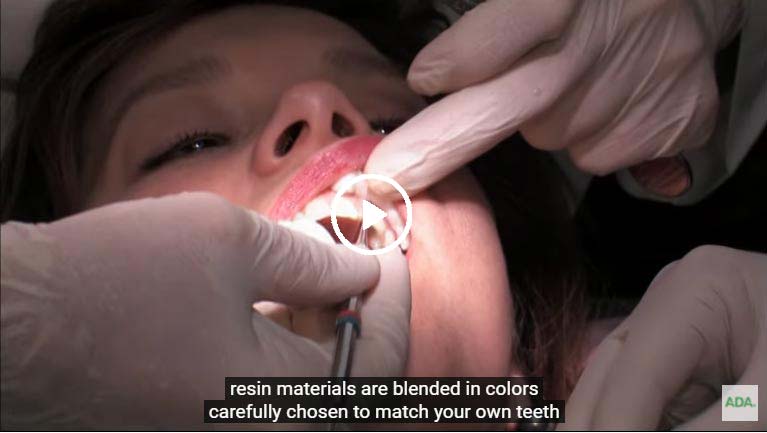
Composite resins are a more esthetically-pleasing alternative to metal fillings or restorations. They have similar characteristics to a tooth’s natural enamel, and their color can be adjusted to match the particular color of your teeth.
Teeth Bonding is a non-invasive procedure that can provide astounding improvements in the appearance of your teeth. Bonding of composite is the dental treatment of choice over teeth whitening for patients that have Tetracycline stains produced when they took this antibiotic in childhood.
Procedure
Dental bonding procedures can usually be completed in one visit. For minor alterations, the resin can be matched to your teeth while you are in the dental office. For more extensive alterations, an impression of the area needs to be taken and sent to a lab, where the final restoration will be constructed. Larger, custom-designed restorations are usually composed of porcelain, rather than composite resin. Your custom restoration is bonded to the teeth on a second visit.
During the teeth bonding procedure, a mild etching solution is first applied to the area of natural tooth enamel to receive the restoration. This solution roughens the surface which allows for a stronger bond between the tooth and resin.
Next, the resin is placed on the tooth and treated with ultraviolet light that activates bonding. Your dentist then sculpts the resin to the desired shape and polishes the area.
Do you have questions about dental bonding that we offer in Irvine? Arrange to call our Irvine dental office and schedule an appointment with the best dentist in Irvine.
Frequently Asked Questions
The price of dental bonding depends on the extent of changes or restoration you require. Cosmetic adjustments, such as masking stains or small chips, can cost $150 to $300 per tooth. Repairing larger chips or cracks and closing small gaps between the teeth ranges from $300 to $500 per tooth, while major restorations and changes may cost up to $1,000 per tooth.
Dental bonding can be covered by insurance only when it is considered a medical necessity, for example, for restoring tooth fractures or chips. In such cases, your dental insurance company can cover 50% to 80% of the total cost. When bonding is used for cosmetic enhancements, such as masking stains or closing gaps between the teeth, bonding is not likely to be covered by insurance.
For dental bonding, your dentist will use resin composite, the same material that is used for dental fillings. With good care, composite dental bonding can last for up to 7 years. To make sure that your bonding results look good for as long as possible, we recommend following these rules:
- Maintain an effective oral hygiene routine by brushing your teeth twice a day for two minutes and flossing every evening.
- Opt for a soft-bristled toothbrush and fluoride toothpaste.
- Avoid staining foods and beverages, and always brush your teeth immediately after a meal if you consume such products.
- Protect your teeth at night with a mouthguard if you experience bruxism (involuntary teeth grinding and jaw clenching).
- Visit your dentist twice a year for professional cleanings and fluoride treatments.
- Abstain from smoking.
Dental bonding can be effectively used to adjust the shape of uneven or irregularly contoured teeth. However, bonding can offer improvements for minor to mild local issues, but is not effective for major alignment problems, for which you may be recommended an orthodontic treatment or dental veneers instead.
A dental bonding procedure is not painful and typically does not cause any discomfort at all, as your dentist works only with the surface of your teeth. Usually, you do not require local anesthesia for the procedure, since no drilling is needed. You may experience only slight pressure or vibration when your dentist reshapes the tooth in preparation for the bonding application.
You cannot get teeth whitening if you have bonded teeth. First of all, whitening products work only on porous natural enamel of our teeth, while the bonding material, resin composite, is not porous and will not respond to whitening. As a result, you will have a noticeable difference in shade between whitened natural enamel and bonded parts. If you want to have teeth whitening, we recommend doing it before bonding. If you already have bonding, it will need to be taken off before the whitening and replaced after.
To avoid staining or damaging your dental bonding, we recommend avoiding the following foods:
- Staining foods and beverages, such as red wine, black coffee and tea, beetroot, berries, brightly colored spices (curry, turmeric), etc.
- Hard and crunchy foods that can physically damage the bonding, such as nuts, crackers, popcorn, etc.

HAPPY CLIENTS
I’ve been coming to this office for just under a year, and I have to say, I’ve never encountered a more caring and friendly staff.
Dr. Sharma is kind and also incredibly friendly, highly professional, and extremely competent. I can’t recommend this office enough!
Andi K.
We're
Proudly
Associated
With